
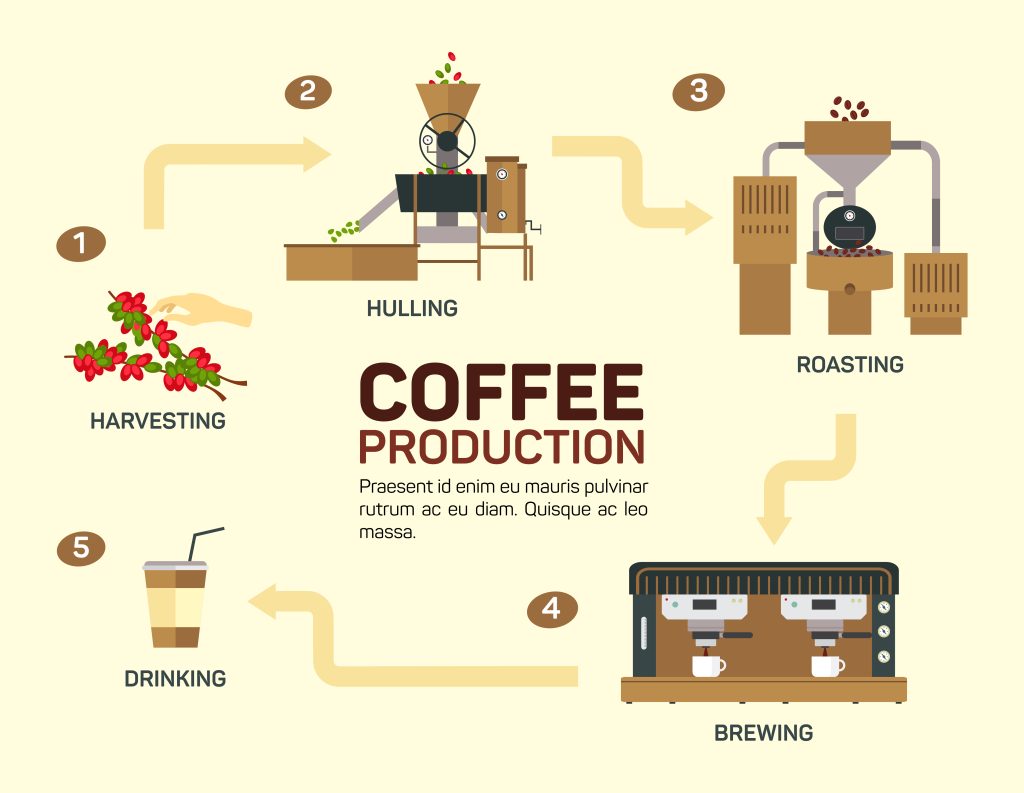
Colombia is celebrated for its exceptional coffee, known for its bright acidity, balanced flavors, and aromatic profiles. While much of this reputation comes from ideal growing conditions and high-quality Arabica varieties, the country’s coffee processing methods also play a pivotal role. Colombian coffee producers have traditionally relied on the washed (wet) process, but recent innovations have seen alternative methods gaining popularity.
Let’s explore the key coffee processing methods used in Colombia and how they influence the final cup.
1. Washed (Wet) Process: The Traditional Colombian Method
The washed process has long been the hallmark of Colombian coffee. It’s favored for producing clean, consistent flavors that highlight the beans’ intrinsic characteristics.
- How It Works:
- Coffee cherries are harvested and sorted to remove underripe or defective fruit.
- The cherries are pulped to separate the seeds (beans) from the fruit.
- The beans are fermented in tanks to break down the mucilage (a sticky layer) that clings to them.
- After fermentation, the beans are washed thoroughly with water.
- The beans are dried, either on patios, raised beds, or using mechanical dryers, to reduce moisture content to around 10–12%.
- Flavor Profile:
- Bright, clean, and crisp with pronounced acidity.
- Highlights fruity and floral notes, making it a favorite for specialty coffee.
- Why It’s Popular in Colombia:
- Consistent results align with the country’s focus on quality.
- Ideal for showcasing the unique terroirs of Colombia’s diverse coffee-growing regions.
2. Natural (Dry) Process: Embracing Sweetness and Complexity
While less common in Colombia, the natural process is gaining traction among experimental producers aiming to diversify their offerings.
- How It Works:
- Coffee cherries are harvested and sorted but left intact.
- The cherries are spread out to dry under the sun, with frequent turning to prevent spoilage.
- Once dried, the seeds are hulled from the dried fruit and parchment layer.
- Flavor Profile:
- Sweet, fruity, and full-bodied with wine-like characteristics.
- Increased complexity due to prolonged contact between the beans and the fruit during drying.
- Challenges in Colombia:
- High humidity in some regions can make it difficult to dry cherries without fermentation or mold issues.
- Requires meticulous attention to detail.
3. Honey (Semi-Washed) Process: A Balanced Middle Ground
The honey process blends aspects of both washed and natural methods, producing coffees with balanced acidity and sweetness.
- How It Works:
- Coffee cherries are pulped, leaving some or all of the mucilage on the beans.
- The beans are dried with the mucilage still attached, which caramelizes and infuses additional sweetness.
- The amount of mucilage left determines the type of honey process:
- Yellow Honey: Minimal mucilage, milder flavors.
- Red Honey: Moderate mucilage, more pronounced sweetness.
- Black Honey: Maximum mucilage, intense sweetness and body.
- Flavor Profile:
- Sweet and syrupy with fruit-forward notes and balanced acidity.
- Why It’s Gaining Popularity:
- Producers seeking differentiation and premium markets are adopting this method.
- Offers unique flavor profiles without the challenges of full natural processing.
4. Anaerobic Fermentation: Pushing the Boundaries
Colombian producers are at the forefront of innovative fermentation techniques, including anaerobic processing. This method uses controlled environments to manipulate the fermentation process.
- How It Works:
- Coffee cherries or pulped beans are placed in sealed tanks devoid of oxygen.
- The fermentation is closely monitored, often lasting longer than traditional methods.
- After fermentation, the beans are dried as in other processes.
- Flavor Profile:
- Distinctive and complex, with notes ranging from tropical fruits to spices.
- Enhanced mouthfeel and sweetness due to precise fermentation control.
- Why It’s Exciting:
- Creates unique coffees that stand out in competitions and premium markets.
- Highlights the producer’s skill and the potential of Colombian coffee.
5. Experimental Methods: Creativity in the Cup
Colombian coffee producers are also experimenting with less conventional methods, blending traditional practices with modern innovation:
- Carbonic Maceration:
- Inspired by wine-making, cherries are fermented in sealed tanks with controlled CO2 levels.
- Results in vibrant, fruit-forward flavors with high clarity.
- Double Fermentation:
- Beans undergo two distinct fermentation stages, often with different conditions or durations.
- Enhances complexity and depth.
- Lactic Fermentation:
- Promotes the growth of lactic acid bacteria during fermentation, producing creamy, yogurt-like notes.
Challenges and Opportunities in Colombian Coffee Processing
Challenges:
- Climate: High humidity and frequent rainfall in many regions can complicate drying processes.
- Labor-Intensive: Methods like washed and honey processing require significant effort and precision.
- Market Education: Convincing buyers to pay premiums for experimental or alternative methods.
Opportunities:
- Specialty Markets: Innovative methods allow Colombian producers to create unique offerings for discerning coffee drinkers.
- Sustainability: Techniques like natural processing reduce water usage compared to traditional washed methods.
- Diverse Terroirs: Colombia’s varied microclimates and altitudes provide an ideal foundation for experimenting with processing methods.
Final Thoughts
From the crisp brightness of washed coffees to the adventurous flavors of anaerobic and honey processes, Colombian coffee processing methods are as diverse as the country’s landscapes. Each method brings out different facets of the beans, creating opportunities for producers to tell unique stories through their coffee.
Whether you’re a traditionalist or a fan of experimental brews, Colombia’s commitment to quality and innovation ensures there’s something for every coffee lover.
Which Colombian coffee processing method intrigues you the most? Share your favorite Colombian coffee experiences in the comments below!



One Response
Colombia is celebrated for its exceptional coffee!