Explore
"Say goodbye to Joe Bean, the fictional coffee icon.
The faces and names on Brewtopia
Coffee bags are authentic, representing real coffee growers."- Jack Brewster (Celestial Times)
Brewtopia was Co-founded by Emma Castillo and Mark Devereux

Maria experienced firsthand the challenges of making a living through coffee farming. After moving to the U.S. and noticing coffee shops charging over $5 per cup, she realized action was needed to support her community back home. It wasn’t until she brought John to Colombia that the two began brainstorming a company that would deliver a premium customer experience while prioritizing the well-being of farmers.
Driven by their shared passion for uplifting others, they’ve built a thriving business, overcoming the hurdles of a competitive market time and again. Together, they’re on a mission to create the world’s first international coffee company centered on making a positive impact.
In the Bay Area’s specialty cafes, you might come across an $8 pour-over featuring a [sometimes questionable] specialty coffee. Meanwhile, in Colombia, coffee farmers are trapped in a cycle of poverty, selling their beans at prices 20% below their margins. Over the past four years, we’ve traveled across Colombia, researching and interviewing both thriving and struggling farmers to understand the current supply chain. Through this journey, we’ve explored various distribution opportunities and uncovered a multi-faceted solution.
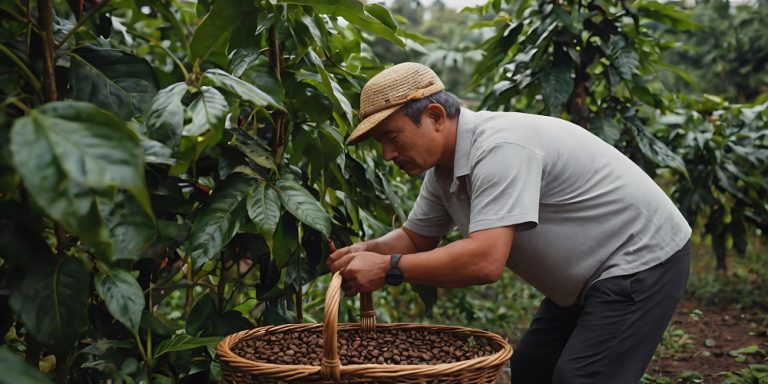
Most Colombian coffee farmers depend on an outdated supply chain, where each of the 10 steps along the way significantly reduces their earnings. Adding to their challenges, farmers often sell through cooperatives, where prices are dictated by global production trends. When industrialized countries increase coffee output, prices drop, leaving farmers with even slimmer margins.
This is a simplified view, as complex financial factors also come into play. However, these uncertainties and price fluctuations force many farmers to overwork their land, compromising production quality and resorting to unsustainable practices just to survive.
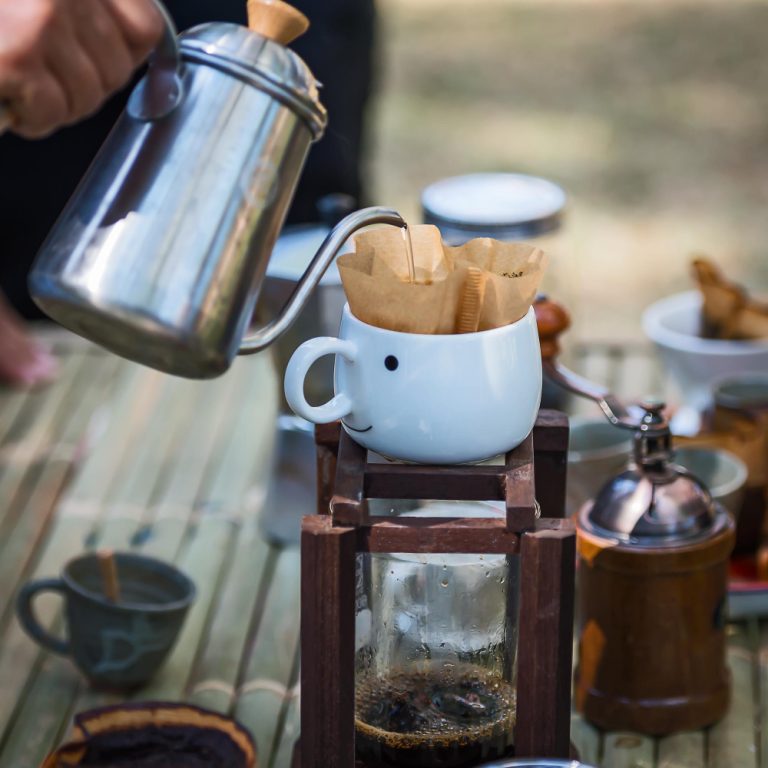
It’s complex, disorganized, costly, inefficient, and prevents farmers from making a good living from their hardwork with middlemen cheeping away their income at every stage.
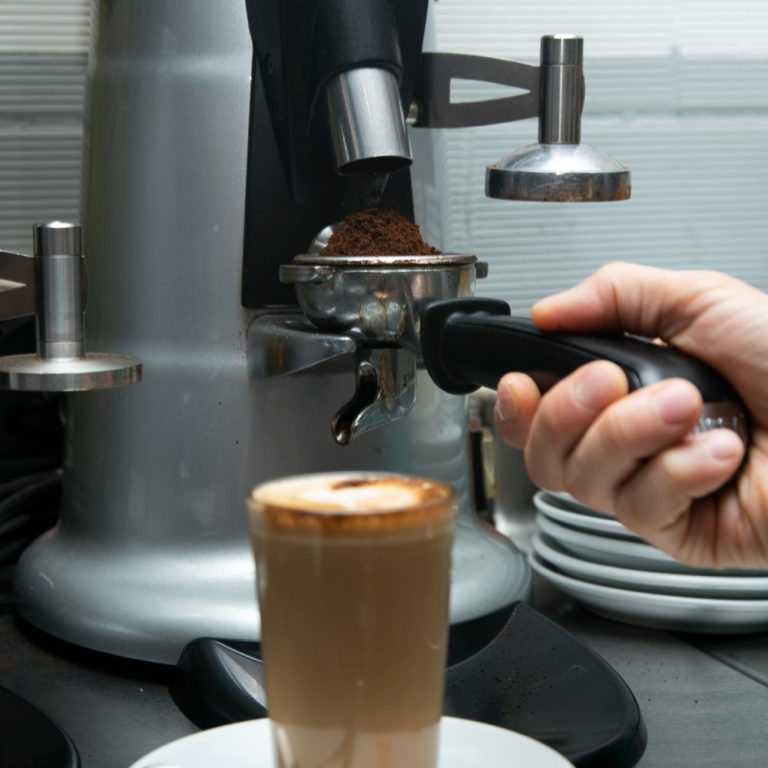
This simple, middlemen-free approach allows us to generate extra revenue to pay farmers a premium while giving them additional support to increase the quality of their coffee.
Our mission is to assist farmers in achieving specialty coffee scores of 80 and above. Once they do, they can choose to export their coffee through our distribution platform, where we proudly showcase their products to our customers. Currently, our platform features only coffees scoring 84 and above, categorized as Excellence Specialty Coffee. However, as we continue to refine our processes and expand our customer base, we aim to include coffees with scores below the excellence threshold, creating opportunities for all farmers to thrive.
Rather than subjecting farmers to fluctuating market prices, we provide a consistent price based on their coffee’s score. This approach has enabled over 25 farmers to double their income, fueling Progeny’s exponential growth.
Our vision extends beyond coffee and farming. We aspire to uplift farming families and their communities by constructing school facilities, hosting public agriculture workshops, providing funding for modern tools, and offering pathways to a brighter future.
Specialty coffee cannot be sold at the same price as regular coffee. Its production demands greater effort, investment, and risk, making it essential to establish a trading platform that bypasses cooperatives and other intermediaries. While some cooperatives are well-regarded, our research indicates they often fail to meet the farmers’ needs. In most cases, cooperatives do not pay farmers the true value of their coffee.
As we delved deeper into the alternatives available to Colombian farmers seeking to escape this flawed system, we turned our attention to direct trade. While the concept sounds promising, it often falls short in practice. Despite its name, “direct trade” frequently involves several intermediaries, such as cooperatives, exporters, importers, and coffee roasters, all standing between the farmer and their earnings. This process is far from direct.
Furthermore, achieving the transparency that direct trade claims to offer is challenging due to the many blind spots in the transaction chain. True direct trade requires significant investment in time, frequent visits to farms, and a deep understanding of coffee sourcing—all of which present obstacles to the model’s effectiveness.
"A cup of coffee is more than a drink, it’s a story that began long before the bean existed."
Alex Martinez
(Shop)