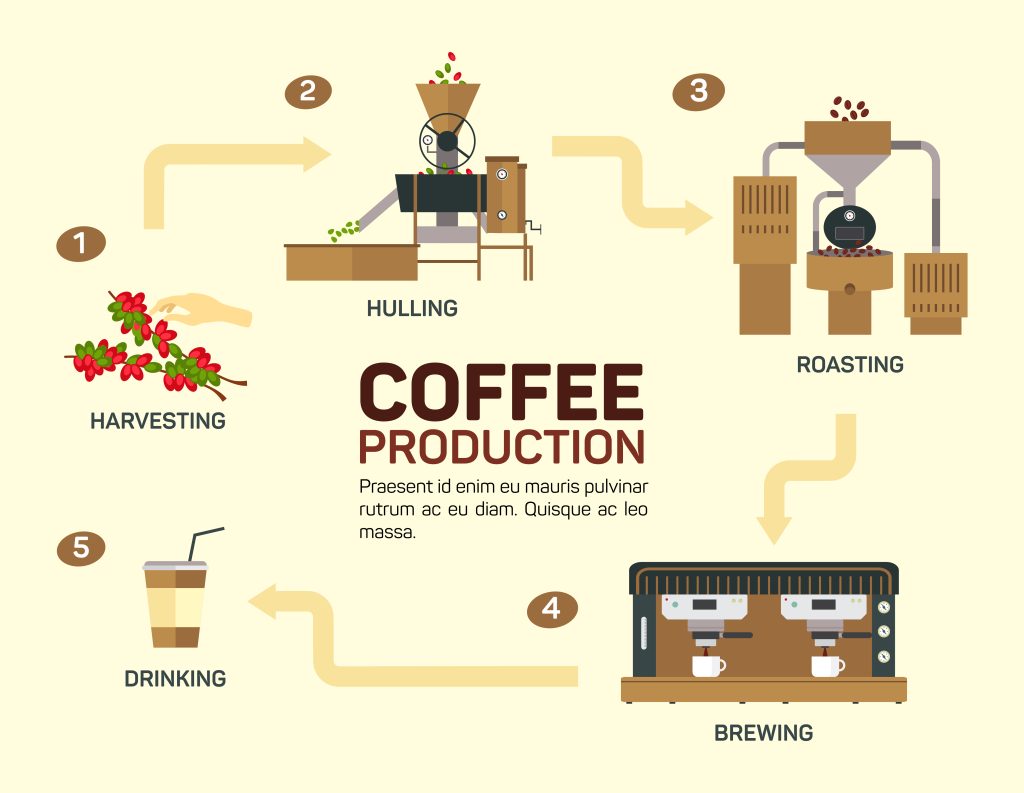

When you sip a cup of coffee, you’re experiencing a complex blend of flavors that arise from the beans’ origin, processing, roasting, and brewing. Coffee flavor notes refer to the specific tastes and aromas that you can identify in a coffee, much like how wine enthusiasts describe a wine’s tasting notes. These flavor notes are shaped by a variety of factors, including the coffee’s origin, its processing method, and how it’s roasted. Let’s break down what coffee flavor notes are and how to better understand them in your cup.
1. What Are Coffee Flavor Notes?
Coffee flavor notes are the specific characteristics or tastes you perceive when drinking coffee. These notes can be fruity, nutty, floral, spicy, or even chocolatey, and they contribute to the overall experience of the coffee. Flavor notes are not fixed but can vary based on:
- Origin: Where the coffee is grown (its region, altitude, and climate).
- Variety: The type of coffee plant, such as Arabica or Robusta.
- Processing Method: How the coffee cherries are processed (washed, natural, honey, etc.).
- Roasting Profile: How light or dark the beans are roasted.
- Brewing Method: How the coffee is brewed (espresso, pour-over, French press, etc.).
2. Categories of Coffee Flavor Notes
Coffee flavor notes can generally be grouped into several broad categories, each with a range of specific descriptors:
Fruity Notes
- Citrus: Lemon, lime, orange, or grapefruit. Common in high-altitude coffees, offering brightness and acidity.
- Berry: Blueberry, raspberry, strawberry. Often found in washed or natural-processed coffees.
- Tropical Fruit: Mango, pineapple, papaya. These flavors are often found in beans from Central and South America.
- Stone Fruit: Peach, plum, apricot. Typically present in medium-bodied coffees.
Nutty & Sweet Notes
- Almond, Hazelnut, Walnut: Roasted nuts are common in medium roasts and contribute to a smooth, creamy cup.
- Caramel, Brown Sugar, Honey: Sweet notes that add smoothness and body, common in medium and darker roasts.
Chocolate & Cocoa Notes
- Dark Chocolate, Milk Chocolate, Cocoa: These notes offer richness and depth, typically found in medium to dark roasts.
- Molasses, Toffee: These deeper, syrupy flavors add sweetness and are often found in low-acid coffees.
Floral Notes
- Jasmine, Lavender, Chamomile: Delicate floral flavors are often found in high-quality Arabica coffees, particularly those grown at higher elevations.
Spicy Notes
- Cinnamon, Clove, Nutmeg: Often found in coffees from regions with distinct processing methods or in darker roasts, these notes can add warmth and complexity.
Earthy & Woody Notes
- Earth, Tobacco, Leather: Typically found in darker roasts or beans from certain regions like Sumatra, these flavors can be deep and grounding.
- Wood, Cedar: More subtle, but can be found in coffees grown in forests or under canopy cover.
3. How Are Coffee Flavor Notes Identified?
Tasting coffee is an art, and identifying flavor notes requires a well-trained palate. Here’s how you can start to identify them in your coffee:
- Smell the Coffee:
Before you taste your coffee, take a moment to inhale the aroma. The scent alone can give you clues about the flavors in the cup. Some coffees might smell fruity, nutty, or even floral before you take a sip. - Take a Small Sip:
Let the coffee coat your mouth and try to identify different flavors that emerge. Take note of the first taste you experience (is it sweet, sour, or bitter?), the body (light, medium, or heavy), and the aftertaste (does it linger or dissipate quickly?). - Use a Flavor Wheel:
Coffee flavor wheels are an excellent tool for identifying the different flavors in coffee. These wheels break down the vast range of flavors into categories, helping you narrow down what you’re tasting. - Consider the Coffee’s Origin and Roast Level:
Understanding where the coffee comes from and how it’s roasted can give you insight into its likely flavor notes. For example, coffees from Ethiopia are often fruity and floral, while those from Sumatra tend to be earthy and spicy.
4. Why Are Coffee Flavor Notes Important?
Understanding and identifying coffee flavor notes enhances your coffee experience in several ways:
- Appreciating the Complexity:
Coffee is a dynamic beverage, and the more you explore its flavors, the more you can appreciate its depth. This allows you to move beyond just “strong” or “weak” and enjoy a coffee’s full range of flavors. - Better Pairings:
Knowing the flavor profile of your coffee can help you pair it with food or other beverages that complement or enhance its notes. For example, a coffee with caramel and chocolate notes might go well with a rich dessert. - Customization:
Identifying what you like in coffee (such as fruity, nutty, or chocolaty notes) helps you select beans or blends that match your preferences, whether from a specific region, roast level, or processing method.
5. Final Thoughts
Coffee flavor notes are the building blocks of the tasting experience. Whether you’re savoring the citrus brightness of a high-altitude Colombian or the rich chocolate depth of a dark-roasted Guatemalan, each cup of coffee has its own distinct character. By learning to identify and appreciate these flavors, you’ll enhance your coffee journey, making every cup a unique and enjoyable experience.
What flavor notes do you love most in your coffee? Share your thoughts or your favorite coffee beans in the comments below!